
Jordan Jackson: “I was new in the city, ready to showcase myself as an artist - then I lost my voice.”
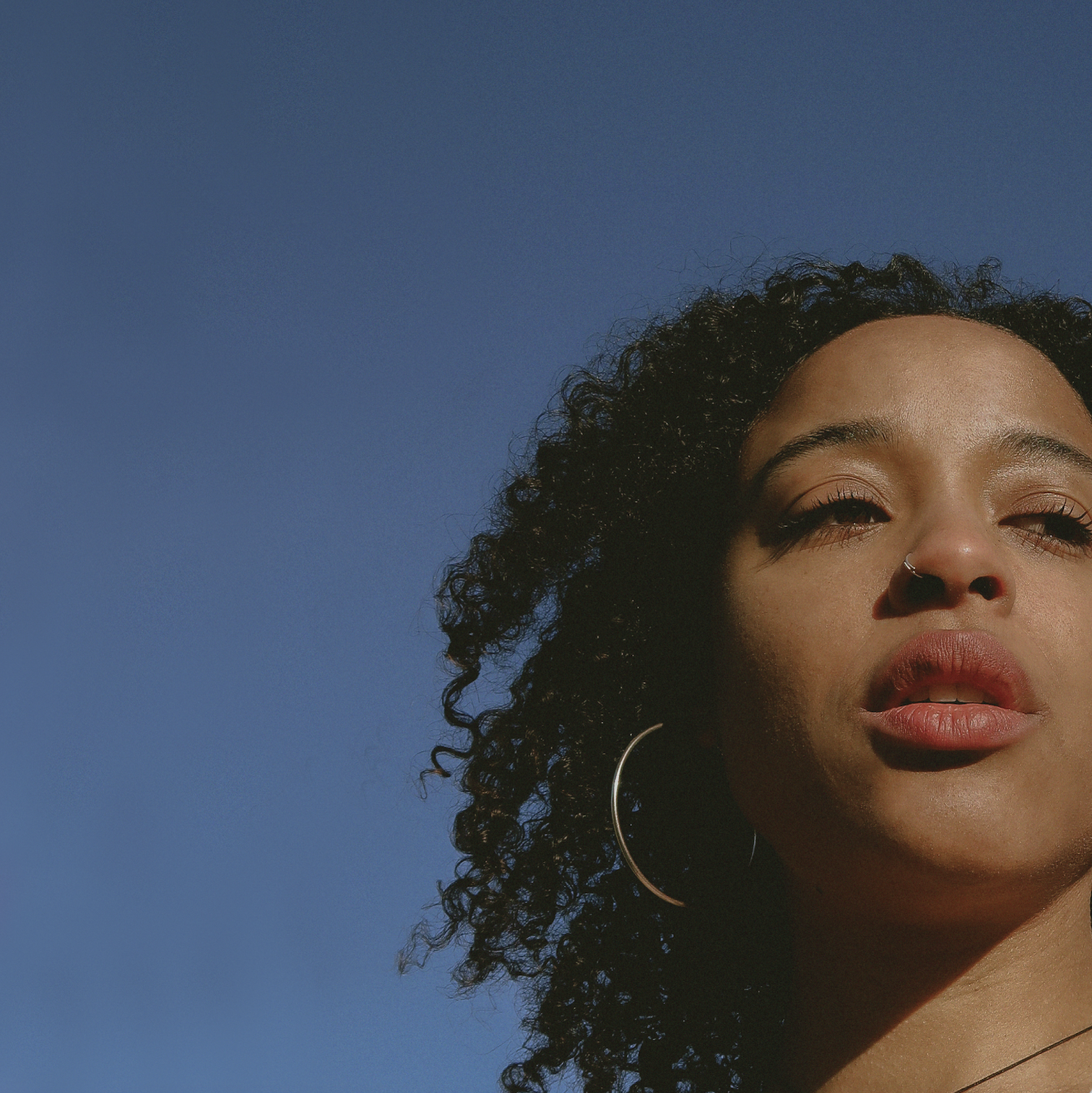
Originally from London, Jordan Jackson has spent almost a decade making Copenhagen home. It’s where she found her people in the city’s jazz community, rebuilt her voice after an injury left her unable to sing, and created Back 2 Basics — a record about stripping life back and noticing what remains. Jordan takes us through Copenhagen from late-night jazz sessions, outdoor swims, salsa, ramen and the bakery hidden down an alley that fuelled her rehearsals.
You’ve been in Copenhagen for nine years now. What first made you think, I could actually live here?
I remember coming here with friends for a long weekend and thinking, “Wow, everyone looks so fresh-faced and beautiful, and they’re all on their bikes, taking it easy.” I loved the jazz scene too—the jams, the music and the technical ability of the musicians here. I wanted a reason to come back, so I emailed every venue I could find and eventually got booked for Copenhagen Jazz Festival. It’s such a big moment in the city, with international artists playing alongside local musicians. Last year I saw Herbie Hancock, and there have been people like Norah Jones. Having the opportunity to play felt incredibly special. Each time I returned, Copenhagen left more of an impression on me. Coming from London, where everyone is constantly saying, “I’m so tired, I’m so busy,” almost as though being busy is a virtue, the pace felt very different. Here, people genuinely value time with friends, hobbies, downtime and work-life balance. It has still been a journey—finding my way, adjusting to a new place and missing friends and family in London. You gain so much from moving, but there’s also a lot you sacrifice.
There’s something about Back 2 Basic that feels like returning to what’s essential. Where did that come from for you?
Back 2 Basic means lots of different things to me now and has evolved over time, but it began when a family member was going through depression. I remember witnessing the daily struggle of doing things we often take for granted—eating well, getting fresh air and sticking to a routine. I was still living in London when I went into the studio and wrote the song. It became about stripping away all the crap and the layers we add, all the stresses that can so easily bog us down and remembering the importance of the little things. Sometimes it really is just making a cup of tea, appreciating the ritual of it and feeling grateful. That idea runs through the whole album: a longing for healing, hope and love. Back 2 Basic opens the record and sets the tone. Whatever you’re going through—a breakup, somebody close to you being unwell or losing your job—it’s always looking towards the future. The album ends with Gratitude: whatever the journey, there’s always something to be grateful for.
The album also spans this huge period of your life between London and Copenhagen. Does it feel a bit like documenting that time?
Definitely. The album spans quite a long period. It started in London and ended in Copenhagen, so it’s a combination of both places. That makes it really special because after living away from London for almost ten years, I can look at it and say, “This is me over this period of time.”
The year you moved to Copenhagen was also the year you lost your voice. What happened?
When I first moved here, I was new in the city and ready to showcase my work and myself as an artist — and then I lost my voice. For a whole year, basically the most I could do was “bloop, bloop”. I had little jobs here and there and amazing support from practitioners, but recovery has been a process even up until now. Even though nine years sounds like a long time ago, it’s not like you have an injury, recover and that’s it. For probably the last seven years, I’ve been learning what my capabilities are, retraining my voice and understanding the best and worst of it — what I need to do to protect it and what it can actually do. Nana Rashid was a huge part of that. She’s a Danish-based jazz singer and a friend who I used to sing with in a vocal ensemble. I had singing lessons with her when I started training again after my vocal injuries and she transformed my voice. She’s an incredible singer and she’s touring all over now. The whole experience was very traumatic, but I came out stronger from it. I learned so much about my voice and it’s definitely stronger now than it was before.
Was there a point when you realised, okay, my voice is actually back?
It came back over a long period of time, so there were different milestones. First it was, “Okay, I don’t have to just do scales anymore, I can sing full songs.” Then, “I can start going to jam sessions.” Then, “I can do a gig.” Because of the fear that comes from that kind of experience, I was always treading on eggshells. I didn’t know how far I could push my voice, so I was really cautious. I made sure I wasn’t drinking alcohol, that I was hydrated and getting enough sleep. There are certain foods that can trigger acid reflux, so I was thinking about all of these things. Then I went to Taiwan for a songwriting camp and that trip was really significant because it was basically the opposite of everything I thought I needed to do. I was super jet-lagged. We’d be up for breakfast, writing all day, then socialising and networking in the evening. I was going to bed at three in the morning and getting up at six or seven, then using my voice all day — all of the things you shouldn’t do if you want to have a good voice. And my voice was stronger than ever. I was like, “Oh.” It was the confirmation I needed to know that I’d made it through the other side.
And Taiwan ended up opening another side of songwriting for you too, didn’t it?
Yeah. What originally took me there was writing a song for an artist called Ivy Lee, and then I ended up writing for a Netflix series called The Victims’ Game for another artist. I’m definitely open to writing for other people. At the moment though, I’m enjoying getting back into writing without any expectations and just seeing what comes up. I want to look at the theme of belonging. There have been a lot of things in my life recently that connect to that and have made me think about what belonging actually means, especially after living in a new country and trying to find something that feels yours.
Where do you go for a creative reset when you’re in Copenhagen?
I really love Louisiana Museum of Modern Art. It’s a little outside Copenhagen, but it’s only around half an hour on the train, and the journey itself is lovely because you get to see the nature on either side.The grounds are right on the coast and I think you can see Sweden from there. They have really beautiful exhibitions. I saw Marina Abramović there, which was really cool, and they have Yayoi Kusama’s Gleaming Lights of the Souls, this immersive room filled with lights. It’s magical.
And when you just need to get out of your own head?
I’ll probably go for a run. There’s a park close to me called Fælledparken. There’s so much space and so many different routes that it can feel different every time. I run there with my friend Flor, who is the best running buddy because she’ll always push me to go further or faster. In the summer there’s also a dancing area in Fælledparken with free daily dance classes. I love salsa dancing in my spare time, so I’ve been there for salsa, but I’ve also tried tango and Afrobeat classes. I love that you can go there for a run one day and end up dancing there another.
Where are we swimming?
My local beach is Svanemøllen. There’s also Amager Beach and Charlottenlund, and so many places along the harbour where you can swim. That’s one of the things I really love about Copenhagen in the summer. In London, you’re obviously not going to jump into the Thames when there’s a heatwave, but here everyone heads to the water. People bring a speaker and food and just hang out. Sometimes I’ll cycle down to the beach just to breathe in the sea air.
Speaking of cycling, is that the most Copenhagen thing you’ve adopted?
Definitely. I know I keep talking about biking, but it really is fundamental to living here. I used to cycle when I studied in Norwich and really missed it when I moved back to London. Here, everything is so close that I can cycle everywhere. If Copenhagen ever starts to feel too small or too familiar, sometimes I’ll just take a different route home, cycle around the lakes or go along the beach. Although cycling during rush hour is basically the Tour de France. Two lanes suddenly become four and everyone is zigzagging around trying to get home for dinner. That’s when the road rage starts. Otherwise, it’s very chill.
Where are we eating?
I’m a massive ramen fan, so Slurp Ramen. It’s so hard to get a table — I’ve only managed to get in a few times after trying many times because there’s always a queue, but when you do, it’s delicious. I’m pescatarian and they have this mushroom broth that’s really nice. The one I go to is on Nansensgade.
What about somewhere people might not know?
Ali’s Bakery. It’s this really no-frills, authentic, family-run Middle Eastern place. I used to rehearse right next to it, so we’d go there all the time. It’s the most unassuming place. You go through this alleyway with cars driving through and then in the corner there’s this family-run business serving Middle Eastern food. It’s cheap and cheerful and it basically sustained us through rehearsals. Not many people know about it, which is why I wanted to mention it.
Where are we going for live music?
La Fontaine, especially during Copenhagen Jazz Festival. It’s a traditional jazz venue and they have a jam during the festival that gets completely rammed. After the main acts have played, everyone seems to congregate there. It’s small and cosy and feels like you’ve been transported somewhere else. It’s really fun.
What’s a place that feels completely Copenhagen to you?
Absalon. It’s a communal cultural space where they do everything from ceramics and yoga to Afrobeat nights. It’s a really eclectic mix of activities, but community is at the centre of it. They’re really known for their communal dinners. It’s almost like Harry Potter, with everyone sitting in these long lines in the Great Hall. You get a cheap, wholesome meal and they organise the seating so you’re next to somebody you don’t know, which encourages you to actually talk and meet people. Each table gets a big platter and everyone shares. I’m also a choir director at Absalon. We’re a contemporary choir and sing everything from reggae and musical theatre to pop, rock and jazz, so it has become part of my own community here too.
What’s one small Danish thing you’ve completely embraced?
Bolle med ost — basically a bread roll with cheese and butter. It sounds so basic, but there’s something about it. They make them with really good sourdough, butter and cheese, and you can get them all over the city. Some people literally go from bakery to bakery looking for the best one. A couple of days ago, my friend and I went running and afterwards sat in a coffee shop by the lakes and had one. It’s so simple but really satisfying.
Is there somewhere new we should know about?
My running buddy Flor has opened a café called Elements. She’s a massage therapist and has collaborated with two other businesses to create this whole wellness space with coffee, beauty and massage therapy together. I went while they were still building the tables for the coffee area, so I’ve watched it come together. I can imagine it becoming a really lovely place to sit and journal after a run.
And when you’re back in London, where do you always return to?
For fitness, it’s Lim Studios in Highbury. It’s a Pilates and barre studio run by the founder Isobel Palmer, who’s a close friend of mine. Her classes are absolutely amazing — the perfect balance of fun and hardcore. Whenever I’m back in town, I go there. I also really like Jumbi in Peckham. I first went because of Steam Down, the improvised music night. The whole thing is really cool and the food at Jumbi is gorgeous.
Who should FOUND speak to next?
Claudio Suriano. He’s the guitarist on the album and a really good friend of mine. He’s a super creative guitarist and incredibly dedicated. He’s the real deal when it comes to composing — really considered about what he’s writing and why he’s writing it. He might start with a concept for an album, something that inspired him or even a riff and think about where he can develop it from there. I find that really musical and really cool. He’s also been such a support since I moved to Copenhagen. He has really believed in my music and it’s been great working with him. I’d also say Santi, who produced on the album. His own music is really different from mine — much rockier, with lots of harmonies. It has this really retro, cool feeling. Definitely check him out.
Jordan Jackson Quintet plays Crazy Coqs as part of EFG London Jazz Festival on Friday 20 November 2026 at 21:15. Tickets are £22.50.
EFG London Jazz Festival: Jordan Jackson Quintet
Image credit: Feelipa