
Alex Nut: “Eglo isn't built around one genre. It's built around freedom, honesty, heart and soul.”
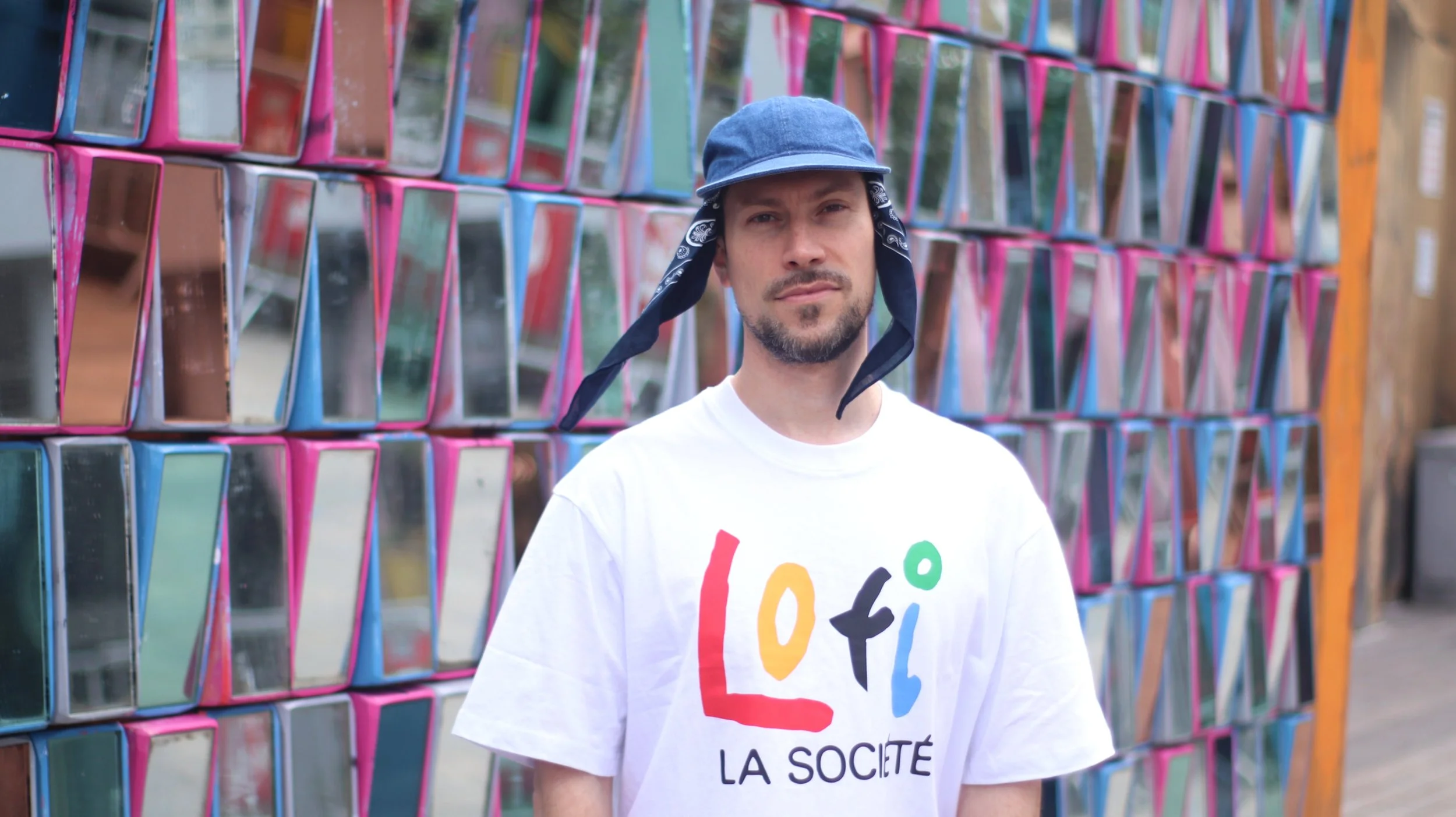
Whether it's radio, a dance floor, or a record that's travelled halfway across the world, Alex Nut has always been drawn to the places where music brings people together. As he releases The Heat, his latest EP on Eglo Records, it feels like the perfect moment to share our conversation. His journey has taken him from pirate radio to Eglo and behind the microphone at NTS, but it's always been driven by the same thing: a desire to champion artists, bring people together and release music with real soul.
You started on pirate radio from a tower block in Wolverhampton at 17 before spending eight years at Rinse FM. How did those early experiences shape your approach to radio?
Things have definitely changed and evolved, but it’s always been based on where I was at the time. I started on a local pirate station in Wolverhampton when I was about 17. I cared deeply about what I was doing, but it was all very localised and I wasn’t thinking beyond my immediate community. When I moved to London, I’d kind of given up on the idea of doing radio professionally. I just wanted to go out to club nights, live shows, exhibitions and be part of it all. I was making mixtapes for friends, and one of them ended up with Geeneus and Sarah at Rinse. They invited me in for a trial, and I just never stopped coming back. No one ever formally told me I had the show. At the time, music was becoming more global through things like MySpace and MSN. I wanted my show to reflect that and champion new sounds from everywhere. That became its identity.
After Rinse, you moved to NTS, where you've now been for 10 years. How has your relationship with radio changed over that time?
By the end of my time at Rinse, everything had changed. Streaming, Boiler Room and stations like NTS had opened that world up, and a lot of the artists I’d championed had become big names. It felt like the right time to step back. When I joined NTS, I stopped worrying about chasing the next thing and started drawing more from my own collection. I still play new music, but I don’t feel the same pressure to break artists anymore. Radio itself has changed too. Pirate radio used to have a certain mystique. Now it’s everywhere, so I’ve taken more of a less-is-more approach. I’ll always do radio, but these days it feels a bit like passing the baton. When I look at the landscape, I can see traces of what I was doing in other people’s shows, and that’s a good feeling.
Eglo Records has established itself as one of the UK's most distinctive independent labels. What do you look for in an artist?
It’s rarely about someone sending me a finished track. Most of the music we release comes from building relationships, being in studios and developing ideas together. That’s what sets the label apart. It’s about making timeless music. Everything we release is music I genuinely love. Recent releases include artists like Sticky Dub, Last Nubian and Giles Smith, plus some long-time collaborators. There’s more coming, and I’ve been focusing on my own music a lot too.
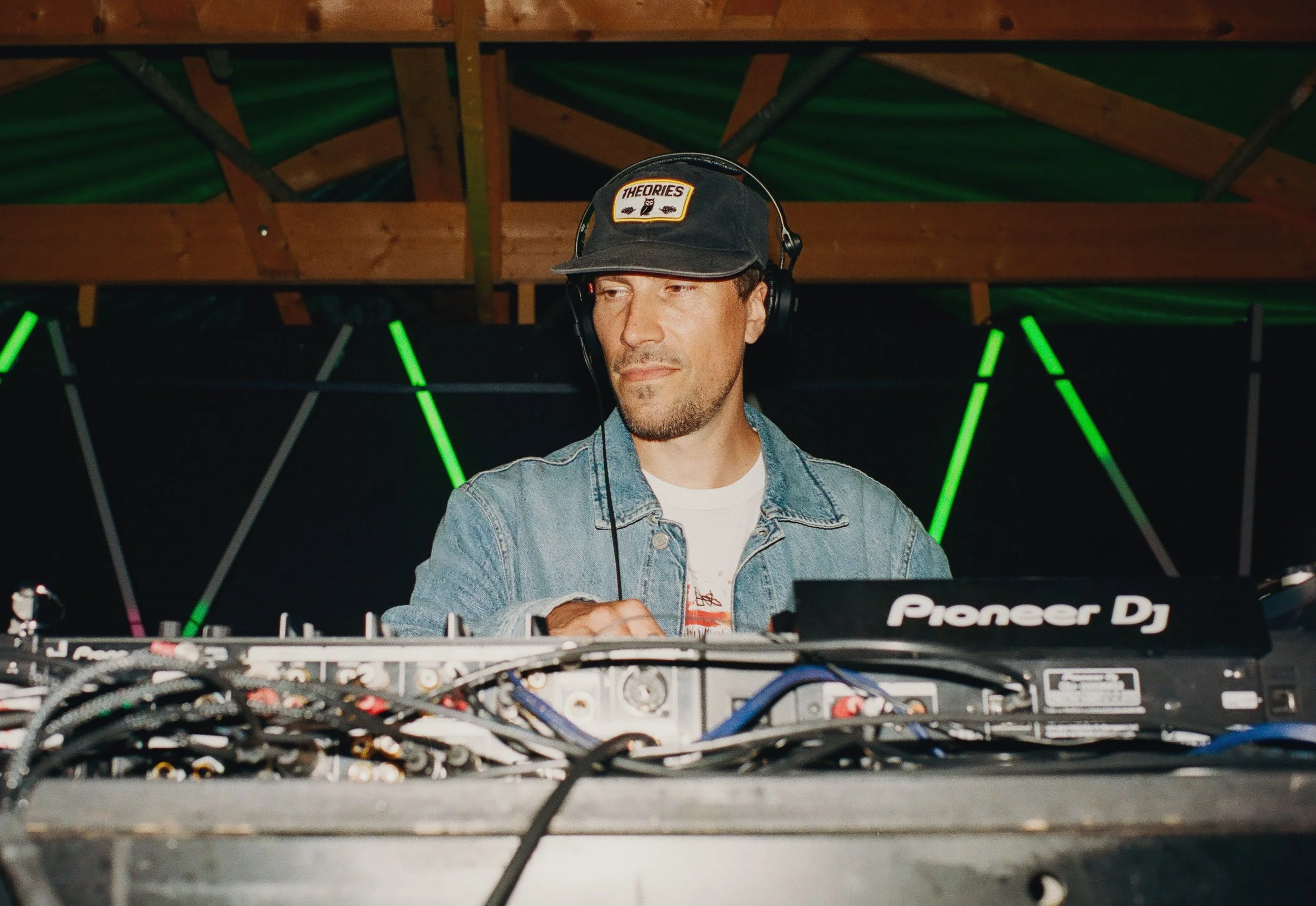
You've always been about putting out positive energy into the world. In 2026, when everything moves so fast and gets forgotten so quickly, is that approach harder to maintain?
Yeah, it is. You still need that feedback loop of people engaging and showing up, but everything’s moved online. Sometimes it can feel like you’re shouting into a void. There’s also just a heaviness in the world right now. Sometimes promoting music or events can feel a bit conflicted, but at the same time people need joy, connection and release. That’s always been the goal - putting something positive out there.
You've spoken about Plastic People with so much affection over the years. What made it such a special place?
It didn’t disappear overnight, it faded gradually. But it really was a special place — an incubator for sounds that went on to influence the world. It was never about money, it was about doing the right thing. Sometimes there’d only be four or five people in the room, but it still felt magical. It was church for me. If I needed a fix of sound and vibrations, I knew I’d find people there who felt the same way. I’ve just tried to carry that spirit into everything I do. Eglo isn’t built around one genre, it’s built around a feeling: freedom, honesty, heart and soul, no smoke and mirrors, no hype. I still seek out spaces that remind me of that. They’re harder to find now because there’s so much pressure on clubs to sell tickets and make money, but there are still places keeping that ethos alive. I just try to do the same.
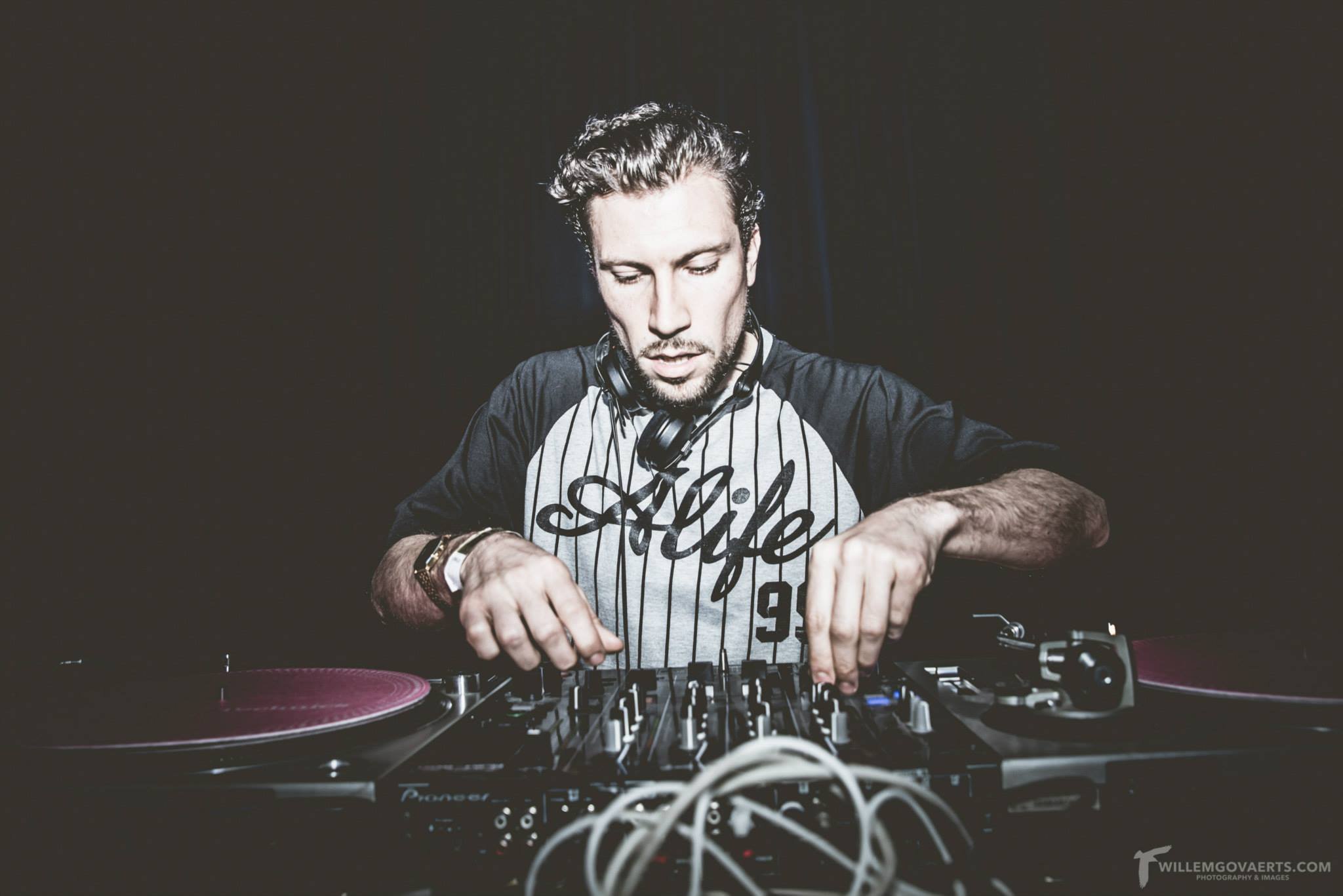
You've talked about Wu-Tang being a huge influence, not just musically but philosophically. What lessons from hip-hop have stayed with you throughout your career?
Wu-Tang Clan gave me a lot. RZA is one of my biggest inspirations. The philosophy and teachings in that music shaped me a lot. But hip-hop doesn’t owe me anything — it gave me everything. What I took from it was the DIY spirit, making something from nothing. In the UK, I think that spirit shows up differently. For me, it’s artists like Soul II Soul, Massive Attack, Goldie and 4 Hero. They represent the essence of hip-hop more than just rapping. Grime captured that same spirit too. These days, what gets called hip-hop often feels more like pop music to me. But I don’t really overthink it. I just appreciate what hip-hop gave me.
That DIY ethos also seems to carry through to the way you DJ. What separates a great selector from someone who's simply technically proficient?
They’re different things. A selector comes from sound system culture. It’s about choosing the right tunes and building a journey. You don’t even need to mix. Technical skill is important, but without selection it doesn’t mean much. Anyone can play bangers. It’s about how you connect them and create something unique. A lot of DJs now are performers, which is fine, but it’s different. For me, DJing has always been about the music first.
Who would you love to see featured on FOUND next?
I’ve been working with people with autism for the past few years, and I think accessibility in music spaces is something that needs a lot more attention. It’s long overdue. There are organisations making clubs and live music more inclusive for neurodiverse people and others who might not normally have access. That work is really important. Groups like Robyn’s Rocket, Gig Buddies, and Artbox are helping to create environments where people can experience music and nightlife in a way that genuinely suits and supports them. I’ve seen it firsthand at events and it changes the energy in a really beautiful way. That’s the direction I’d like to see things moving in.
Interview by Molly Jappy